
Costa Brava, Spain
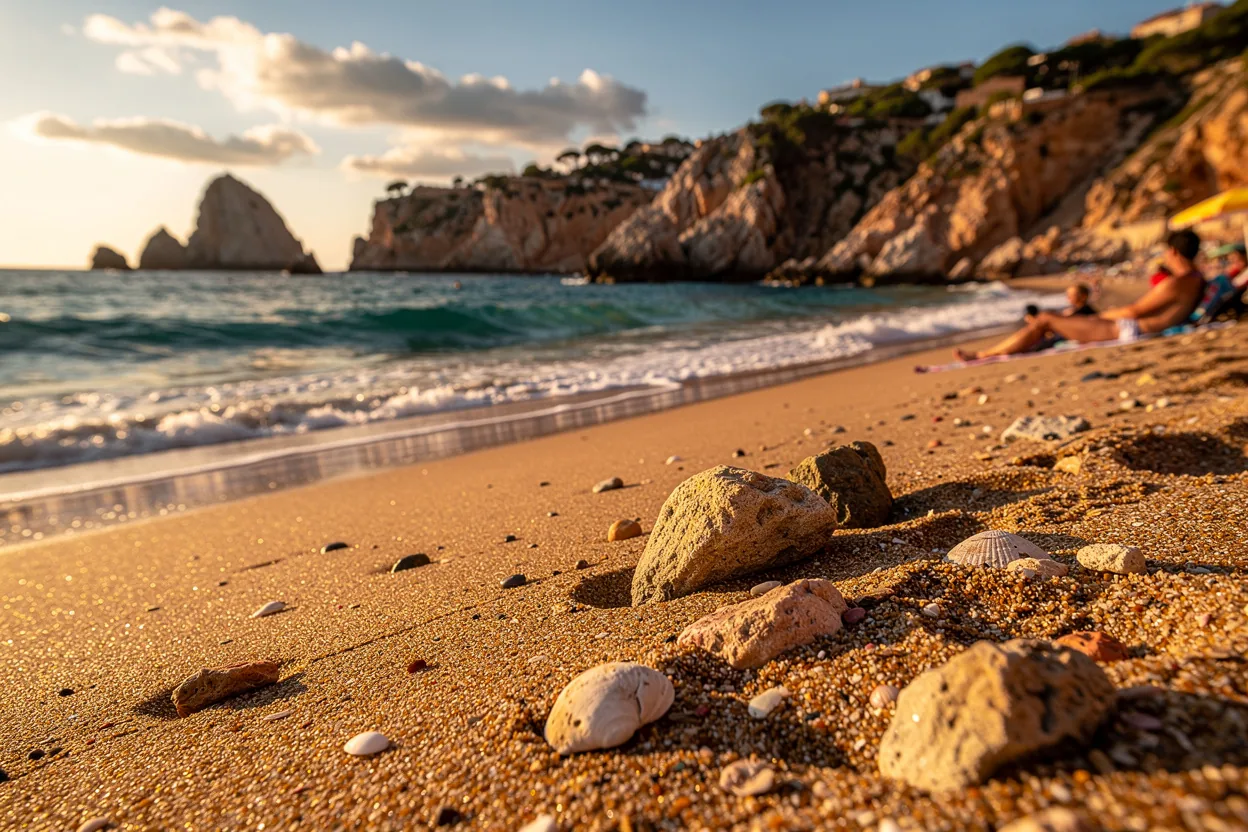
Northeastern Spain’s Costa Brava is all rugged cliffs and water so clear it looks tinted. What we love about this stretch of coast is the sheer variety packed into a short drive — one cove after another, each with its own character, so there’s always another beach worth the detour. It’s exactly the kind of coastline where having a private driver pays off: point at a cove from the road and we’ll pull in.
Platja de Castell is the one we’d point you toward first. Backed by pine forest and largely spared from development, it still feels like the coastline must have looked decades ago. It’s an easy stop to build into a coastal transfer, and one of the quieter spots on this list.
The French Riviera
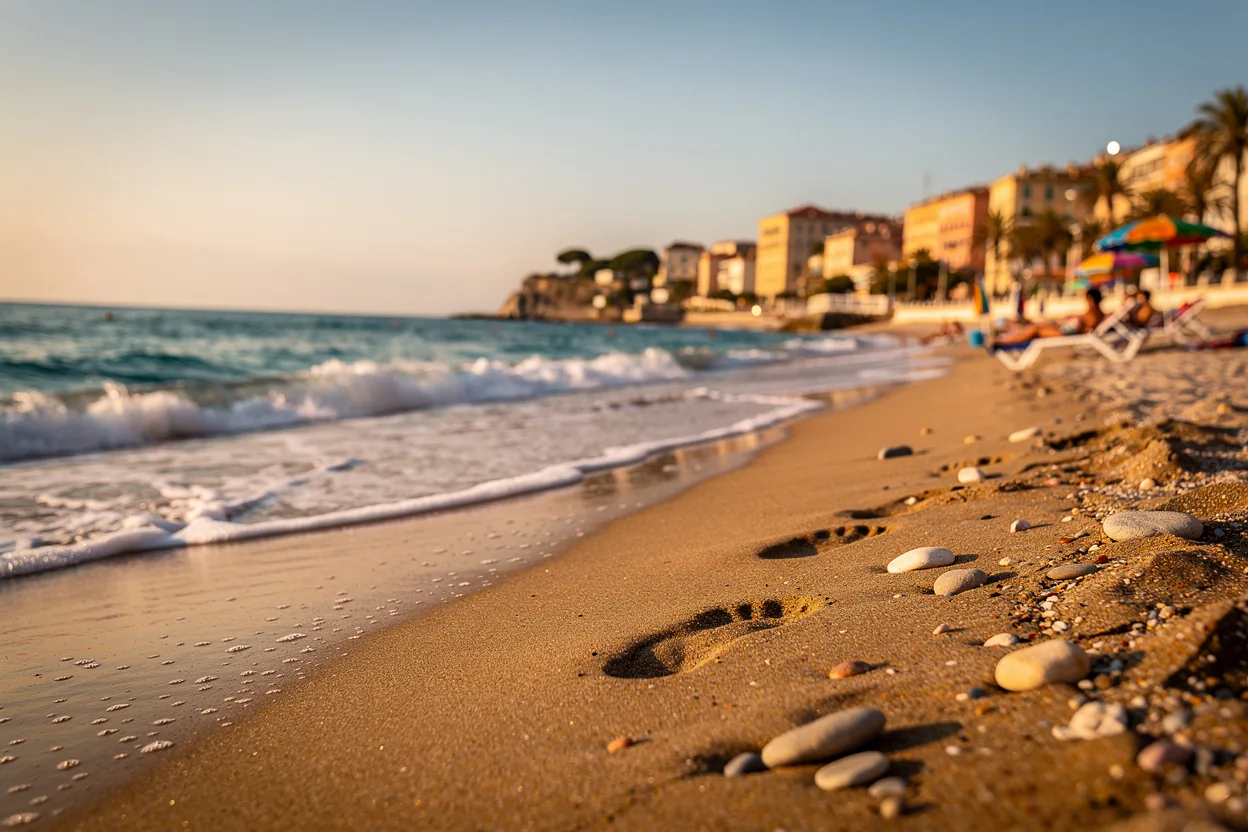
Further along the coast, the French Riviera trades rugged for polished — this is glamour country, but the beaches themselves are every bit as striking as the reputation suggests.
Paloma Beach, tucked into Saint-Jean-Cap-Ferrat, is the low-key alternative to the packed sands of Nice or Cannes. Set in its own sheltered bay, it’s the kind of place we like to add to an itinerary for travelers who want a genuine break from the crowds rather than another busy promenade.
Italy’s Amalfi Coast
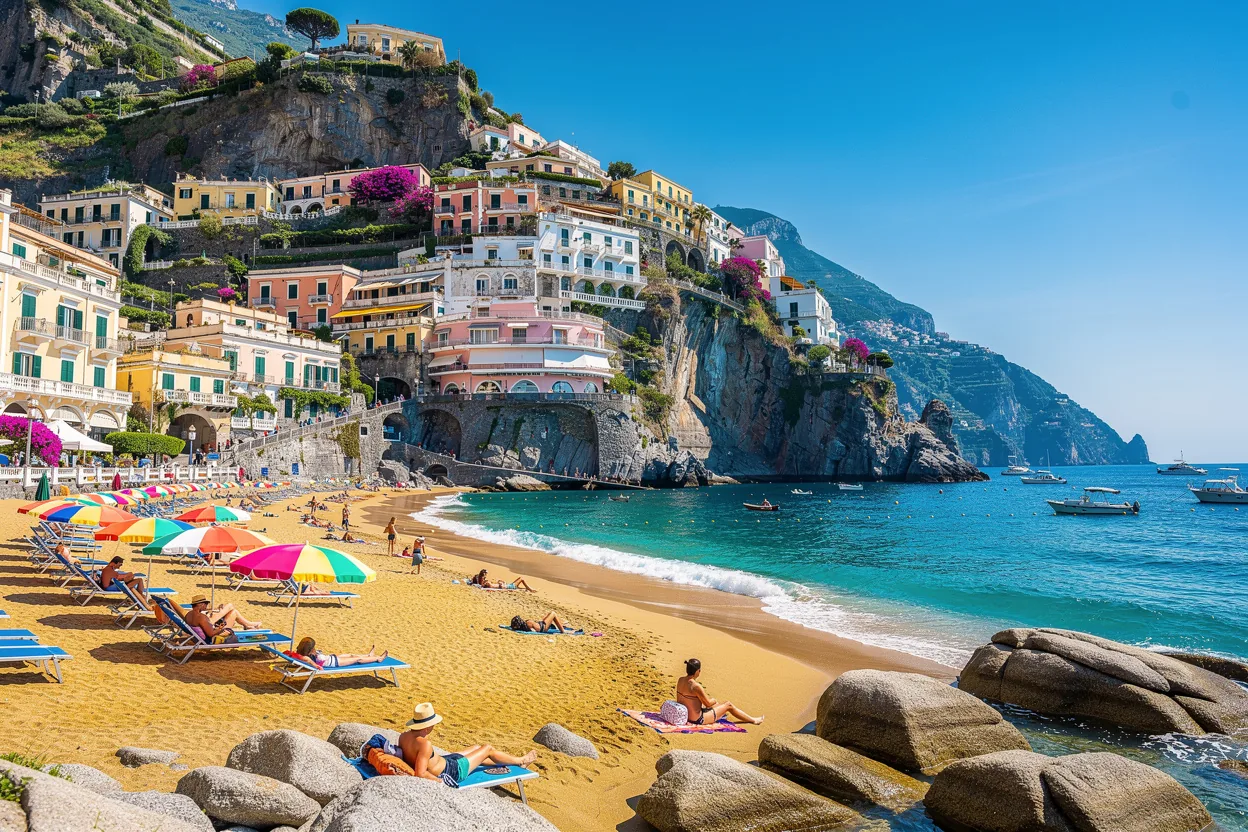
The Amalfi Coast pairs cliffside drama with equally striking beaches, and getting between its villages by road is half the experience — the switchback views alone are worth the ride. It’s also a stretch where we’re glad to be behind the wheel of the minivan instead of you; those cliffside curves are best enjoyed as a passenger. Marina Grande in Positano is the postcard shot, full of color and buzz beneath the town’s stacked houses.
For something calmer, Fornillo Beach sits a short walk from Positano along a scenic path and draws a much smaller crowd, with the same sweeping views minus the noise.
The Balearic Islands
Off Spain’s eastern coast, the Balearics offer a beach for every mood — Menorca leans family-friendly, Ibiza leans toward beach clubs and nightlife, and each island really does feel distinct once you’re there.
Es Trenc on Mallorca stands out from the pack. Its white sand and turquoise shallows look almost out of place in the Mediterranean, closer to a Caribbean postcard, and it’s an easy favorite for anyone who just wants to swim and sunbathe without distraction.
Sardinia’s Untouched Coves
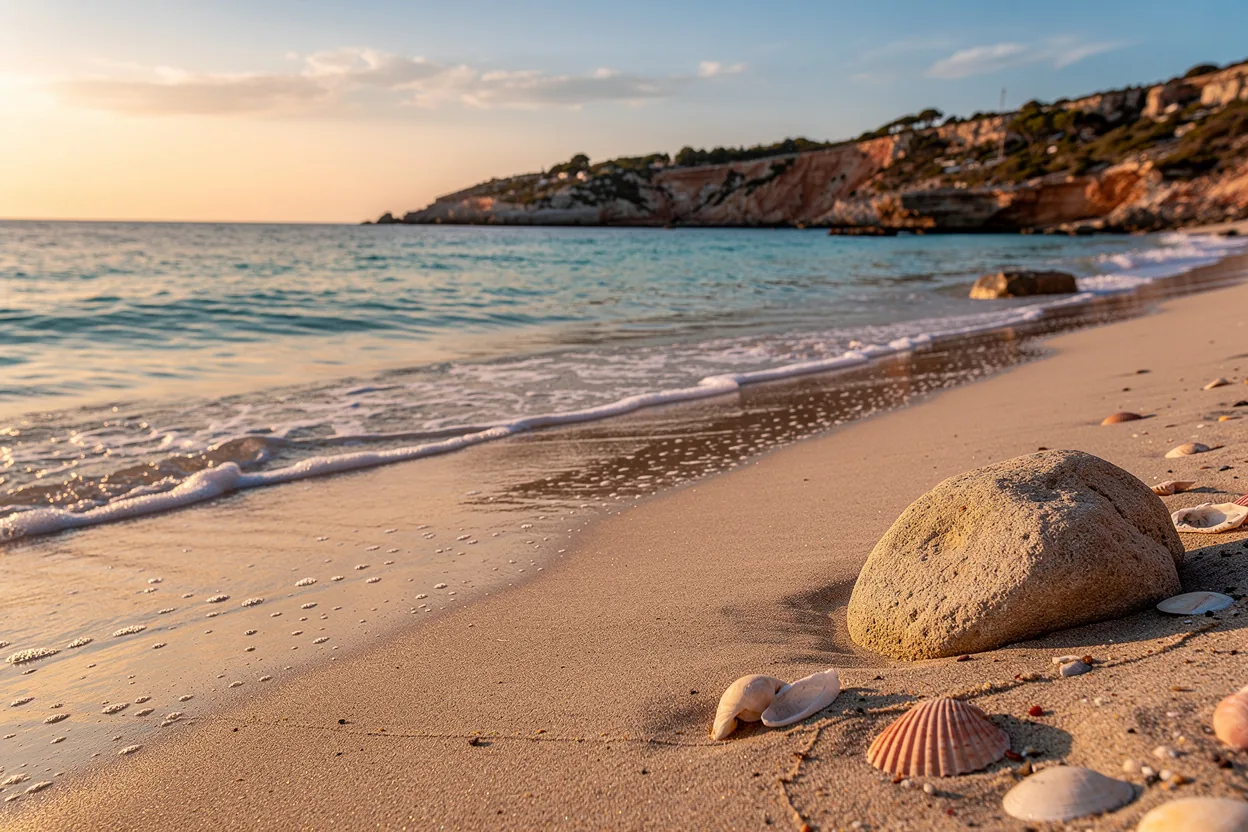
Sardinia pairs an ancient, rugged interior with a coastline full of secluded coves and long open beaches, and it rewards travelers willing to go a little further off the main routes.
Cala Goloritzé, a UNESCO World Heritage site, is the standout — though getting there takes either a boat or a proper hike. The reward is water so clear it barely looks real, framed by striking limestone formations that make the effort worthwhile.
The Greek Isles
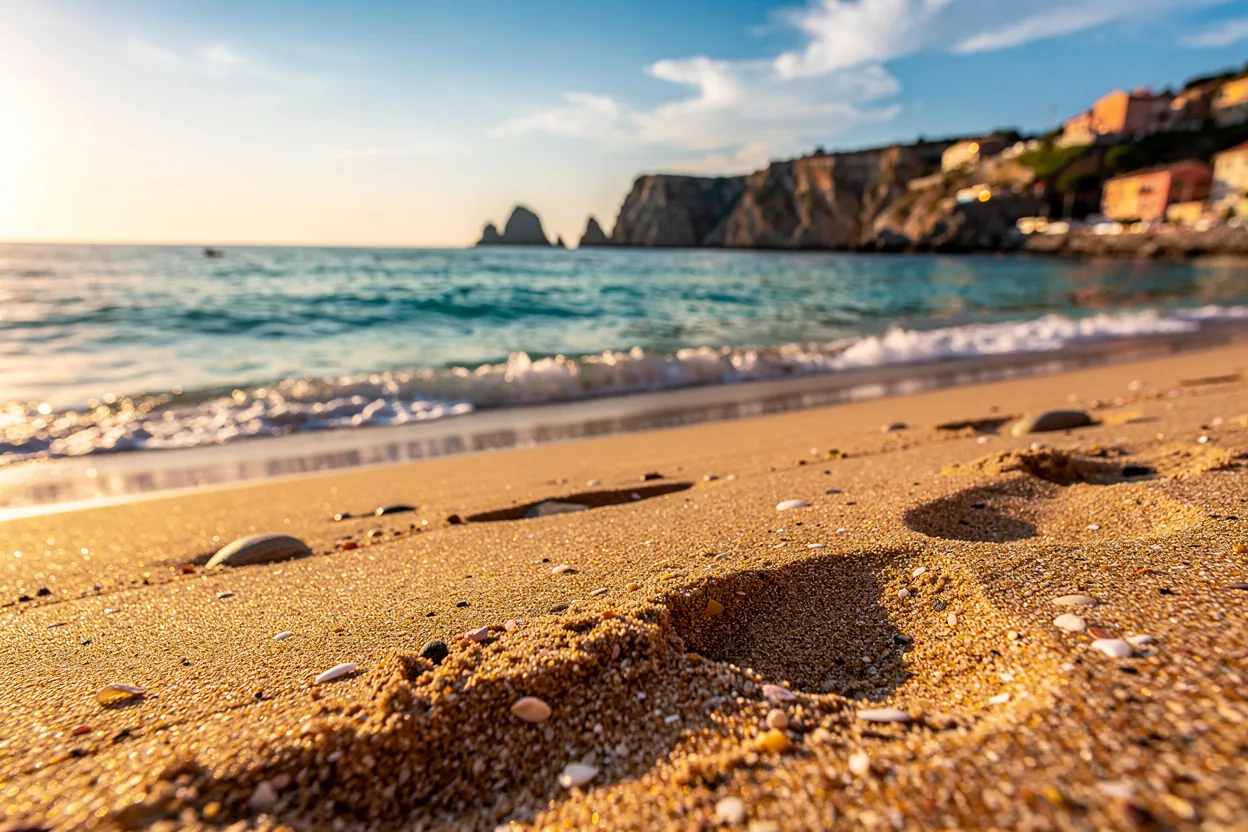
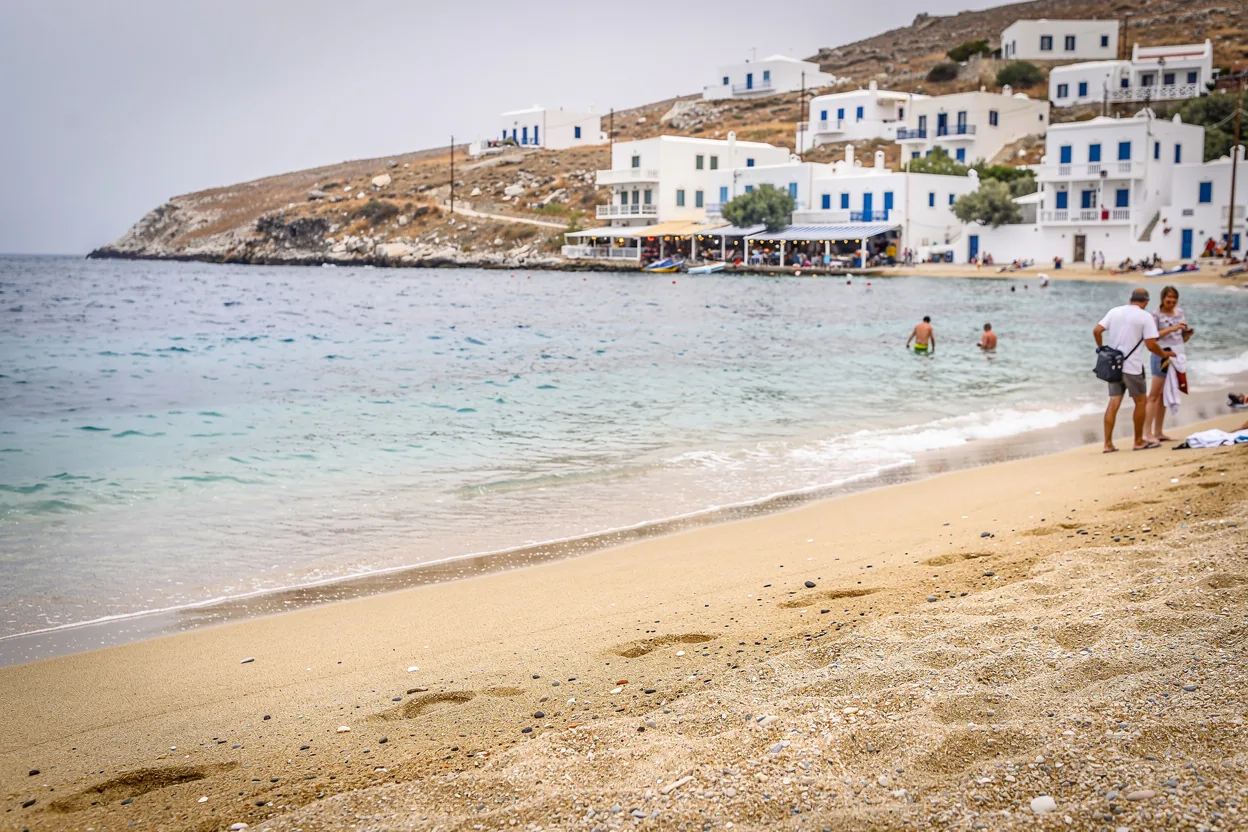
From Mykonos to Santorini, the Greek islands cover an enormous range of coastal scenery, and no two islands feel quite the same once you’re on the ground.
Myrtos Beach on Kefalonia is often singled out as one of Greece’s best, and it’s easy to see why — dramatic white cliffs drop straight into water so blue it looks edited, making it a magnet for photographers.
Croatia’s Dalmatian Coast
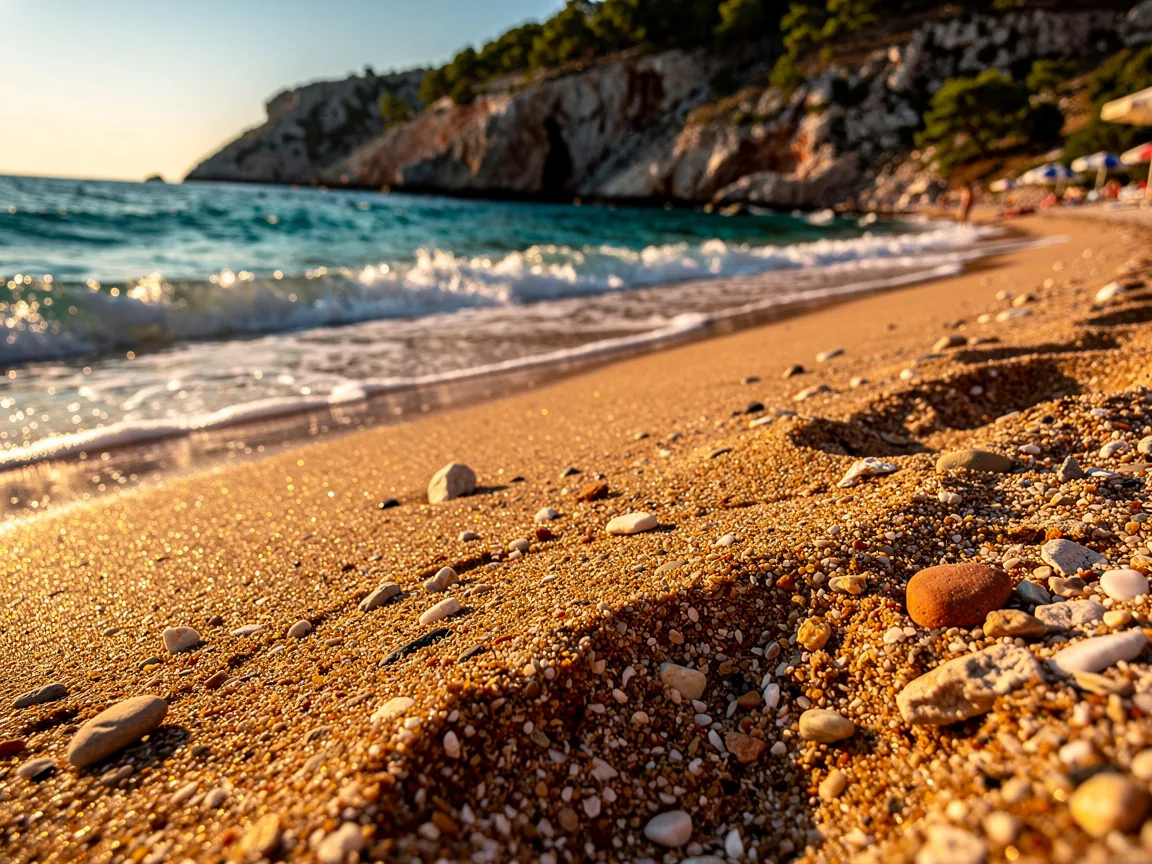
Croatia’s Dalmatian Coast has become a favorite in recent years, and the pairing of historic old towns with pristine water explains the draw immediately.
Zlatni Rat on the island of Brač closes out our list. Its shape actually shifts with the current and wind, and it’s become a go-to for windsurfers and sunbathers alike — a fitting last stop on a coastline full of them.
Stringing all seven of these beaches together in one trip is exactly the kind of route we enjoy driving — a comfortable Mercedes minivan, an English-speaking driver who knows the coast roads, and a schedule flexible enough to linger wherever the water looks too good to leave.