
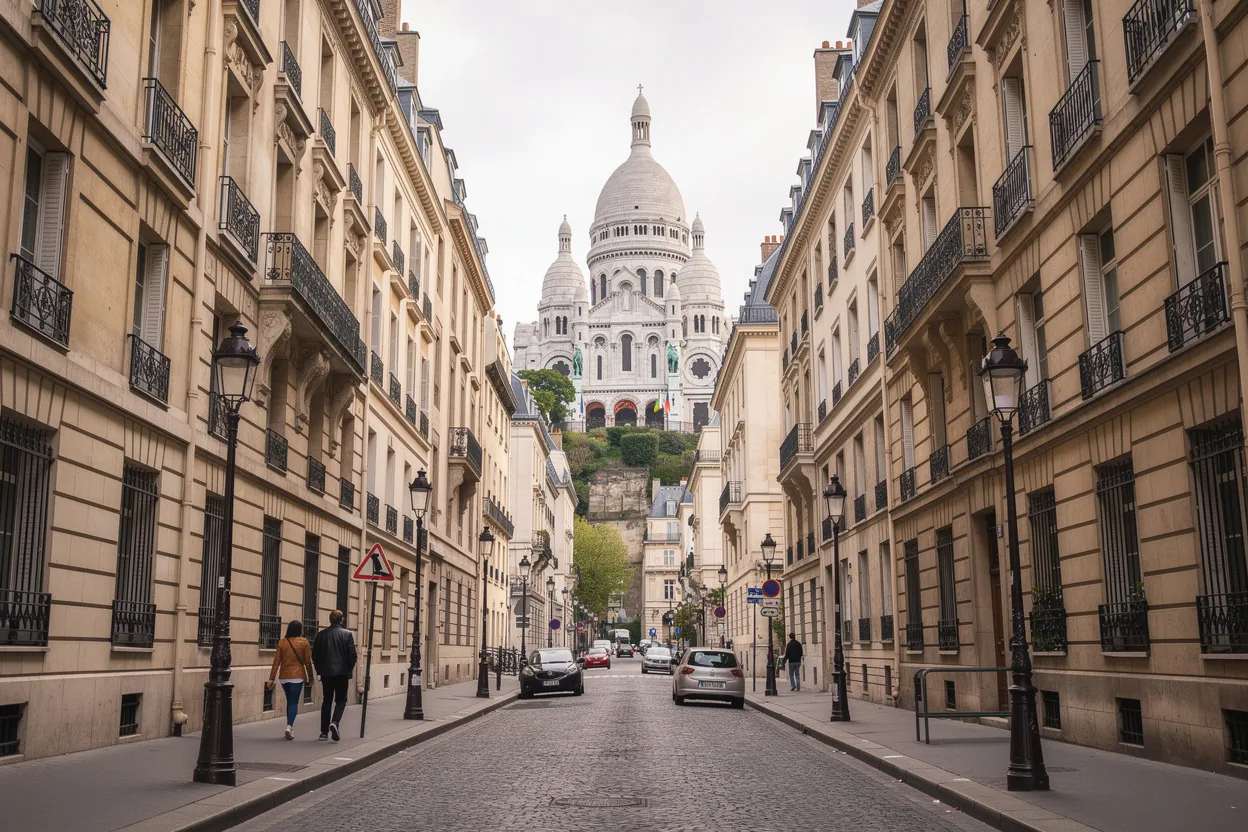
The Pull of Europe’s Great Cities
Europe’s capital cities each carry their own blend of history, culture, and modern energy, and no two feel remotely alike. Paris moves at a romantic, unhurried pace, while Berlin hums with a rawer, more experimental energy. Moving between them feels less like a checklist and more like flipping through chapters of a much larger story.
Paris earns its “City of Light” nickname honestly, with the Eiffel Tower, Notre-Dame, and the winding streets of Montmartre all within easy reach of each other. London, further along the route, brings centuries of layered history and a genuinely diverse culture, anchored by landmarks like Buckingham Palace and the British Museum.
Amsterdam’s Waterways
Amsterdam is where the canals really take over the itinerary. The city’s ring of waterways, laid out back in the 17th century, still shapes daily life here, and a slow boat ride is one of the best ways to take in the architecture and the rhythm of the city from a completely different angle.
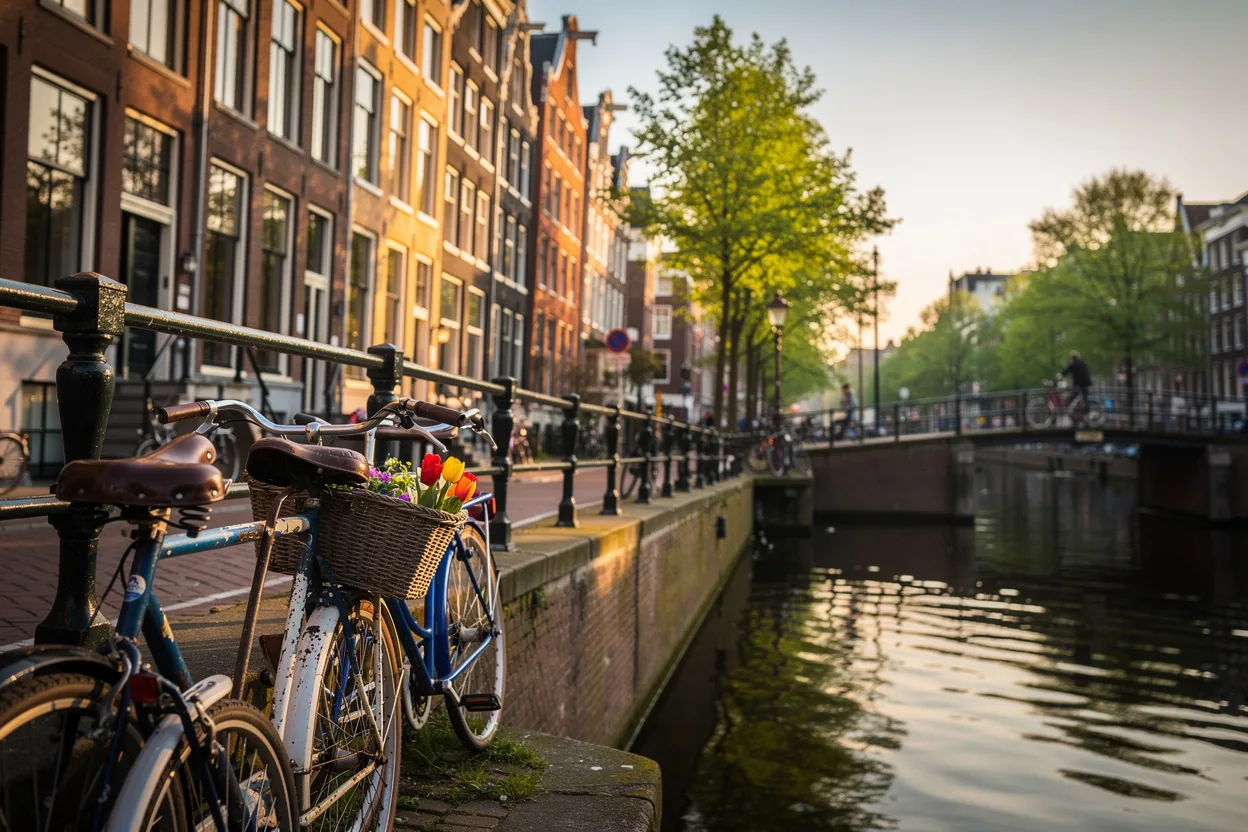
Beyond the water, Amsterdam holds serious cultural weight — the Van Gogh Museum and the Rijksmuseum alone are worth a full day between them. Add in the markets, the cafés, and a packed calendar of cultural events, and it’s easy to see why people keep coming back.
Venice: A City Built on Water
No canal-city route is complete without Venice. Known locally as La Serenissima, the entire city runs on water instead of streets, with gondolas and vaporetti doing the work cars would do anywhere else. The Grand Canal in particular delivers a nonstop parade of grand old palaces and centuries-old churches as you glide past.
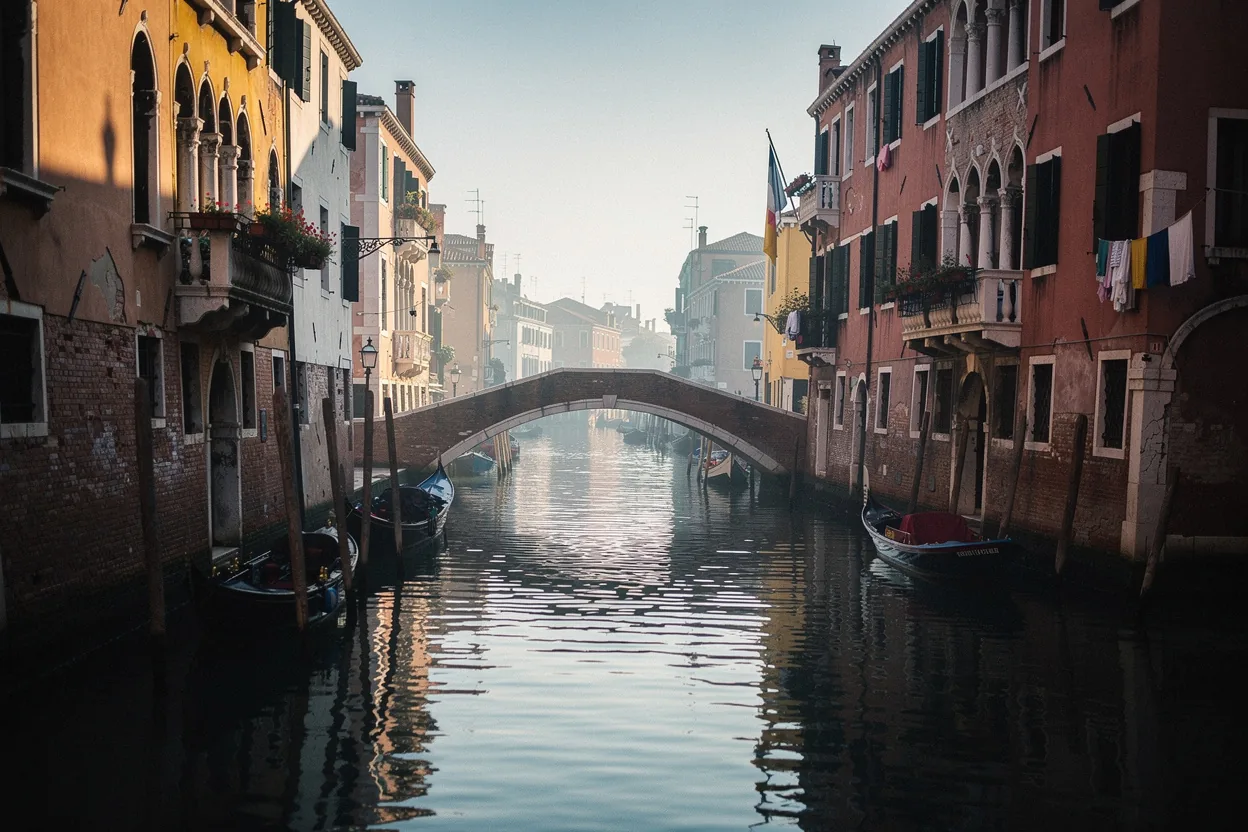
Venice’s charm isn’t only in its waterways, either — its historic squares and landmark buildings carry just as much weight. St. Mark’s Basilica and the Doge’s Palace both tell pieces of the city’s long, dramatic history, and the arts scene here still draws attention on the world stage, especially during the Venice Biennale.
Stockholm’s Island Charm
Stockholm earns its own nickname, the Venice of the North, spread as it is across fourteen islands linked by more than fifty bridges. The water here shapes the city’s whole layout, connecting the old-world charm of Gamla Stan to the more modern, creative energy of Södermalm.
For a capital, Stockholm punches well above its weight on museums — the Vasa Museum and the ABBA Museum are both worth building time for. Its commitment to sustainability shows up everywhere too, from green public spaces to genuinely forward-thinking city planning.
Tying It All Together
Between grand capitals and cities built around water, this route covers an enormous range of what Europe has to offer, and it’s exactly the kind of multi-stop journey our private transfers are built for — one comfortable Mercedes minivan, one English-speaking driver, and no need to figure out train connections between four very different countries.
Wherever your interest lies, in the weight of history or the quiet beauty of a canal at sunset, each of these cities brings something worth stopping for, and we’re glad to help you see them all without the usual travel headaches getting in the way.