
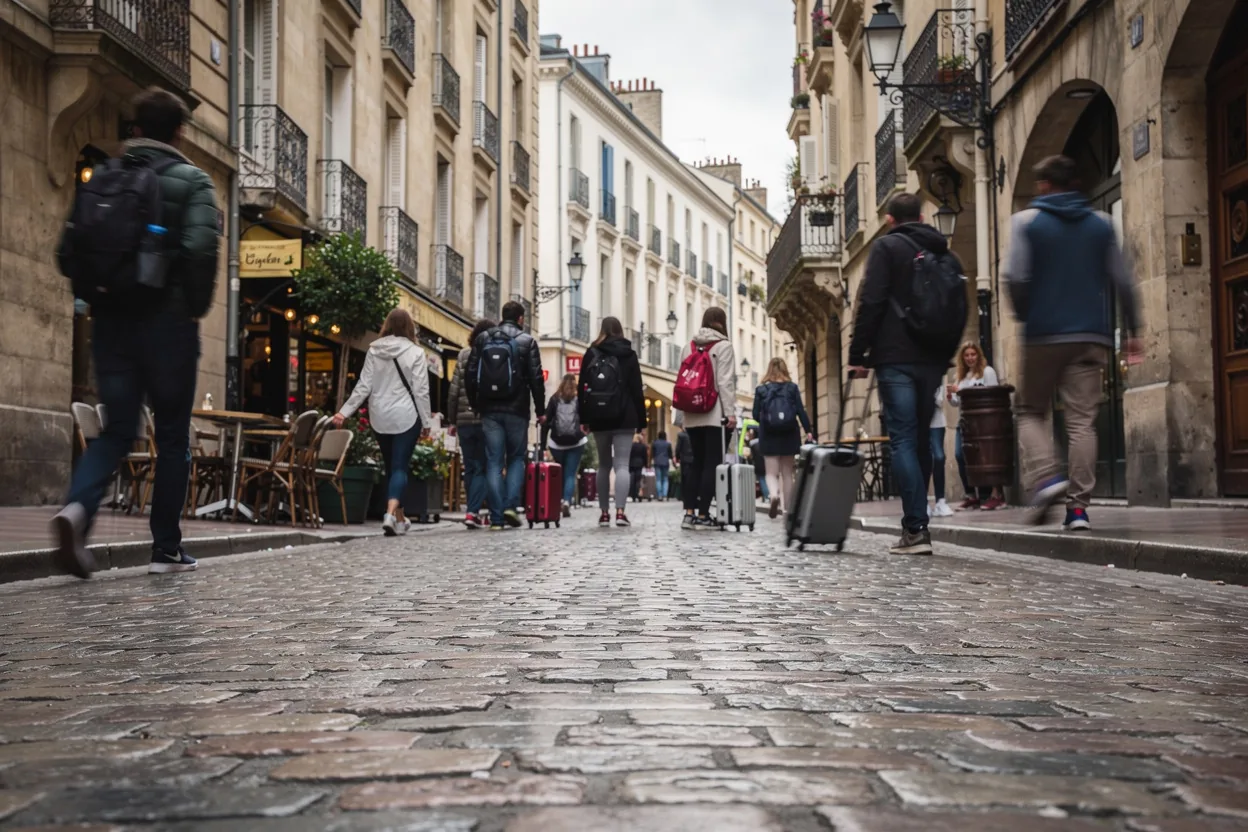
Exploring the Heart of Western Europe
Few stretches of the continent pack in as much variety as the route from Germany to France by way of the Benelux countries. Cross five borders and you’ll pass through castle towns, canal cities, and capital squares, all connected by roads we know well and drive often. Whatever draws you to travel — history, food, architecture — this route tends to deliver all three in a single trip.
Germany: A Historical Beginning
The tour opens in Germany, a country whose cities carry centuries of history in plain sight. Berlin is the natural starting point, with the Brandenburg Gate and the Berlin Wall Memorial both worth a slow morning. From there, Bavaria’s Neuschwanstein Castle is hard to skip — it’s widely credited as an inspiration for Disney’s own Sleeping Beauty Castle, and seeing it in person explains why.
Travelers who’d rather trade cities for forest should ask us to route through the Black Forest, where the trails are as good as the scenery suggests. And no stop there is complete without trying the cake the region lent its name to.
Belgium: The Crossroads of Culture
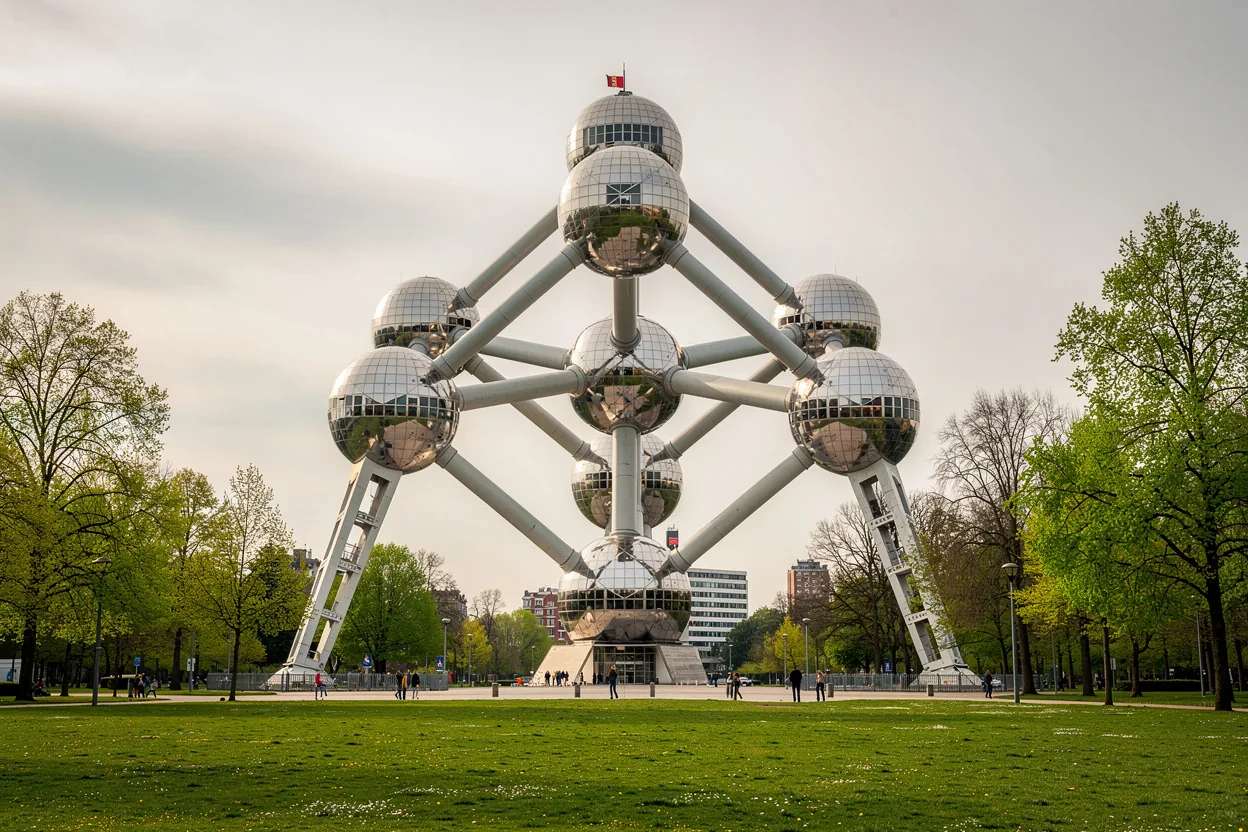
Crossing into Belgium brings a shift toward medieval towns and Renaissance facades. Brussels anchors the stop, with the Grand Place and the Atomium both worth the visit, and waffles and chocolate practically mandatory as you wander the streets around them.
Bruges earns its “Venice of the North” nickname the moment you’re on one of its canal boats, gliding past buildings that have barely changed in centuries. Antwerp, meanwhile, is the stop for anyone drawn to diamonds and fashion rather than canals.
The Netherlands: A Blend of Tradition and Modernity
The Netherlands manages to feel both old and thoroughly modern at once. Amsterdam carries the weight of this contrast well — the Van Gogh Museum and the Anne Frank House are essential stops, and the city’s art scene rewards however long you can spare it.
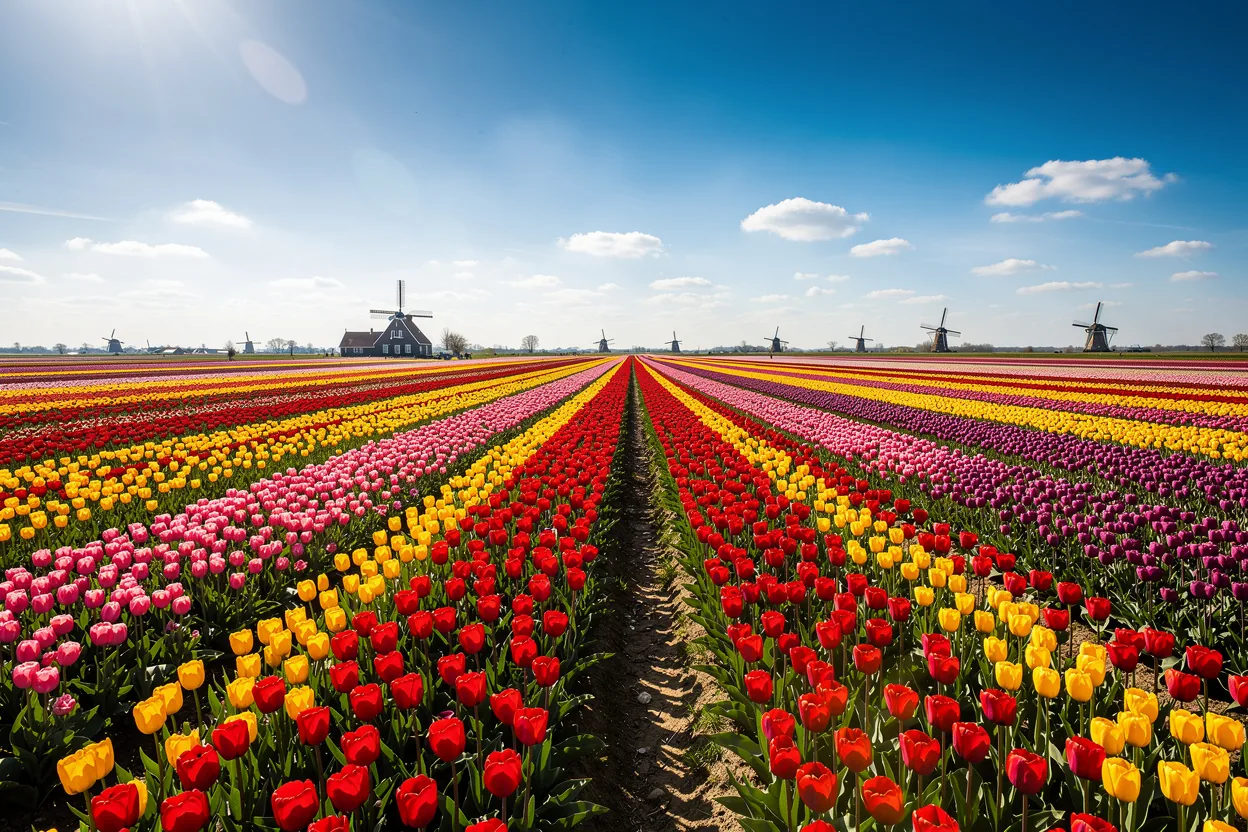
No trip through the country is complete without the windmills and tulip fields that define its image abroad. We like routing travelers to Zaanse Schans for a look at traditional Dutch life, and — season permitting — to Keukenhof Gardens, where the flower displays in spring are genuinely worth the drive.
Luxembourg: A Hidden Gem
Luxembourg is easy to underestimate simply because of its size, but it rewards those who stop. Luxembourg City carries UNESCO recognition for its fortifications, and its old quarters and local cuisine make for a satisfying pause between the bigger stops on either side of it.
France: A Grand Finale
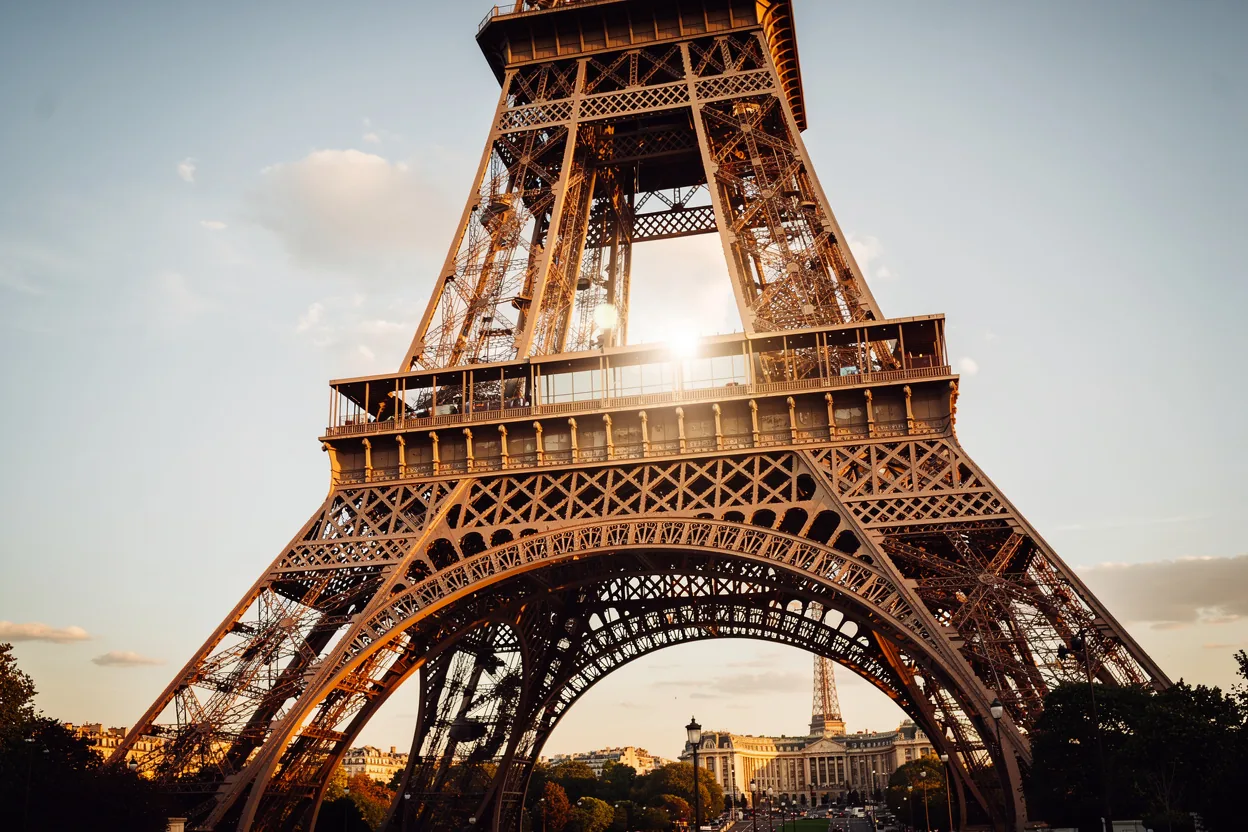
The route closes in France, a country that needs little introduction. Paris — the “City of Light” — delivers the Eiffel Tower, the Louvre, and an easy afternoon spent walking the Seine, with plenty more beyond that for travelers who want to linger.
Past Paris, we can route you through Bordeaux or Champagne for a proper taste of French wine country, or on to the Riviera, where glamorous beaches and Mediterranean light make for a fitting close to the whole journey.
Travel Tips for a Comfortable Journey
We’d argue the most comfortable way to link these stops is exactly how we do it — door to door, in a private Mercedes van, with an English-speaking driver who knows the roads and the border crossings, and the freedom to add a stop the moment something catches your eye.
- Book accommodations in advance, especially during peak travel seasons.
- Learn a few basic phrases in local languages to enrich your interactions.
- Consider purchasing a European SIM card for easy connectivity.
A grand tour like this one is built for comfort as much as sightseeing, and by the time you reach France, the drive itself will likely feel like as much a part of the memory as any single stop along the way.