
Austria’s Storybook Castles
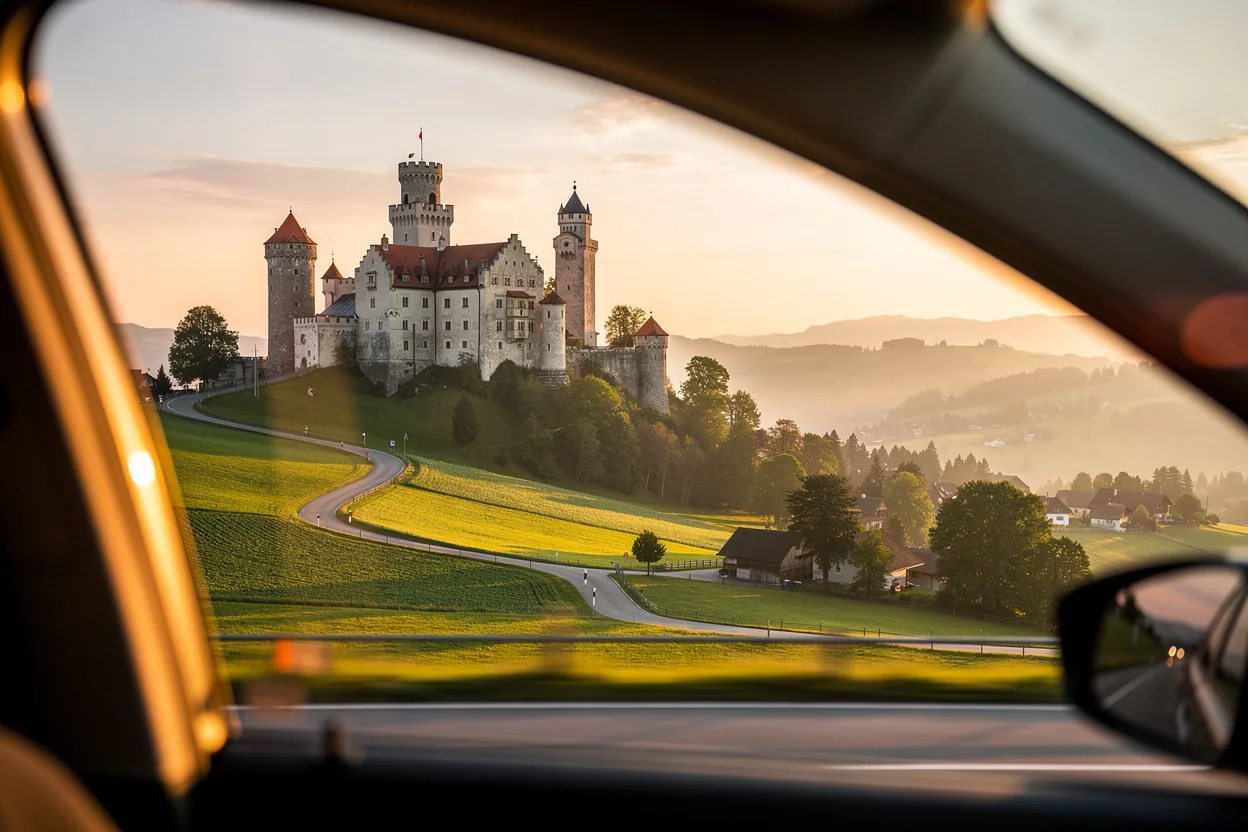
Austria’s countryside hides an extraordinary concentration of castles and palaces, each one a chapter of the country’s history carved into stone. Schönbrunn Palace in Vienna sets the bar high — a UNESCO-listed complex with gilded state rooms and gardens that seem to stretch on forever. It’s the kind of stop where you’ll want extra time, which is exactly why we build slack into our Eurotrip itineraries rather than rushing guests through on a fixed schedule.
Just outside Vienna, Burg Kreuzenstein looks almost too perfect to be real — a reconstructed medieval fortress stacked with turrets, towers, and a genuinely impressive trove of historical artifacts inside.
Germany’s Fairytale Palaces
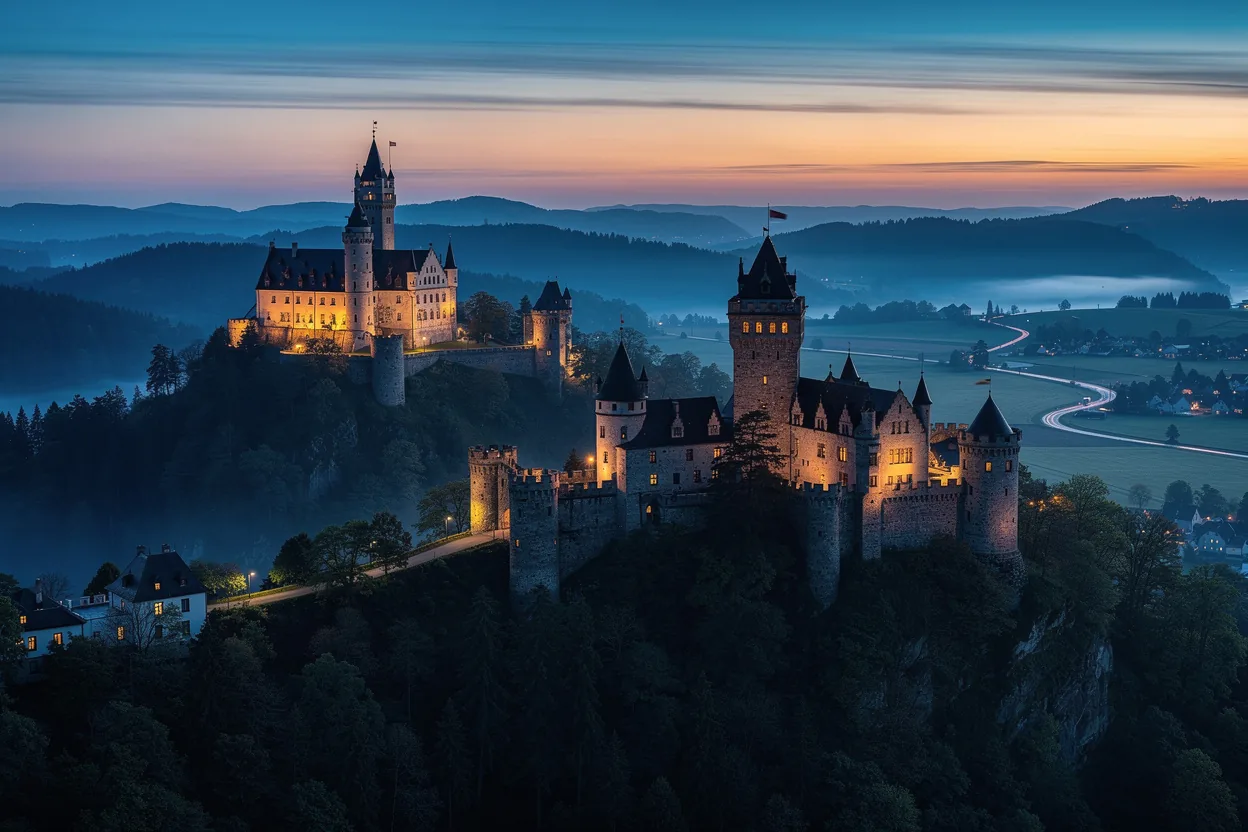
Germany’s castle trail is just as rich, and just as varied in character. Neuschwanstein, tucked into the Bavarian Alps, is the castle that inspired Disney’s Sleeping Beauty design — turrets rising out of forest and mountain in a way that still looks slightly unreal in person. Getting there comfortably matters too, and that’s where a private Mercedes minivan and a driver who knows the mountain roads make the approach itself part of the experience.
Further along, Hohenzollern Castle crowns its own mountain with gothic-revival towers and sweeping views across the countryside below — a fitting monument to the family that once ruled much of Germany and Prussia.
Luxembourg’s Quiet Treasures
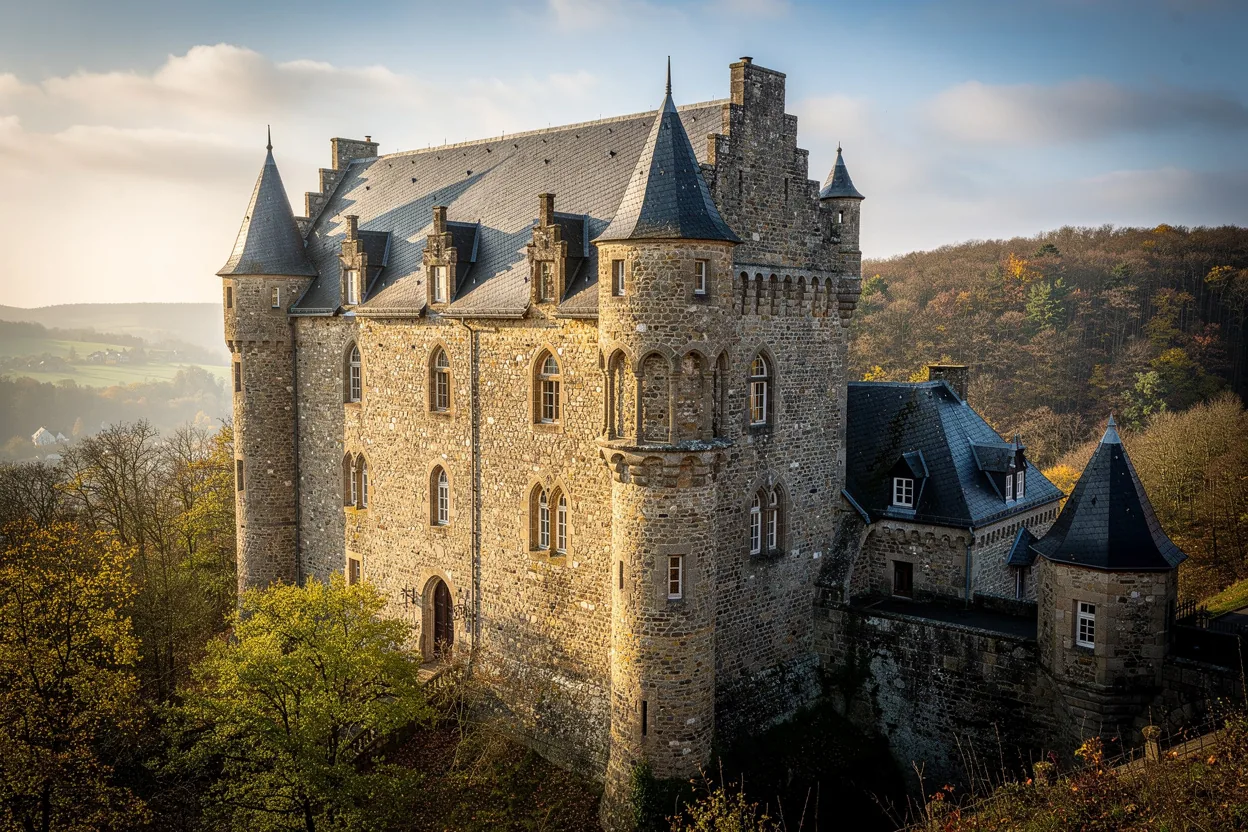
Luxembourg punches well above its size when it comes to castles tucked into its green, rolling hills. Vianden Castle, looking down over the Our River, ranks among the largest fortified castles west of the Rhine and gives a genuinely vivid sense of what daily medieval life looked like within its walls.
Bourscheid Castle holds its own hilltop position with equal drama, its weathered towers and defensive walls blending history with legend in a way that rewards an unhurried walk around the grounds.
France’s Palaces of Power
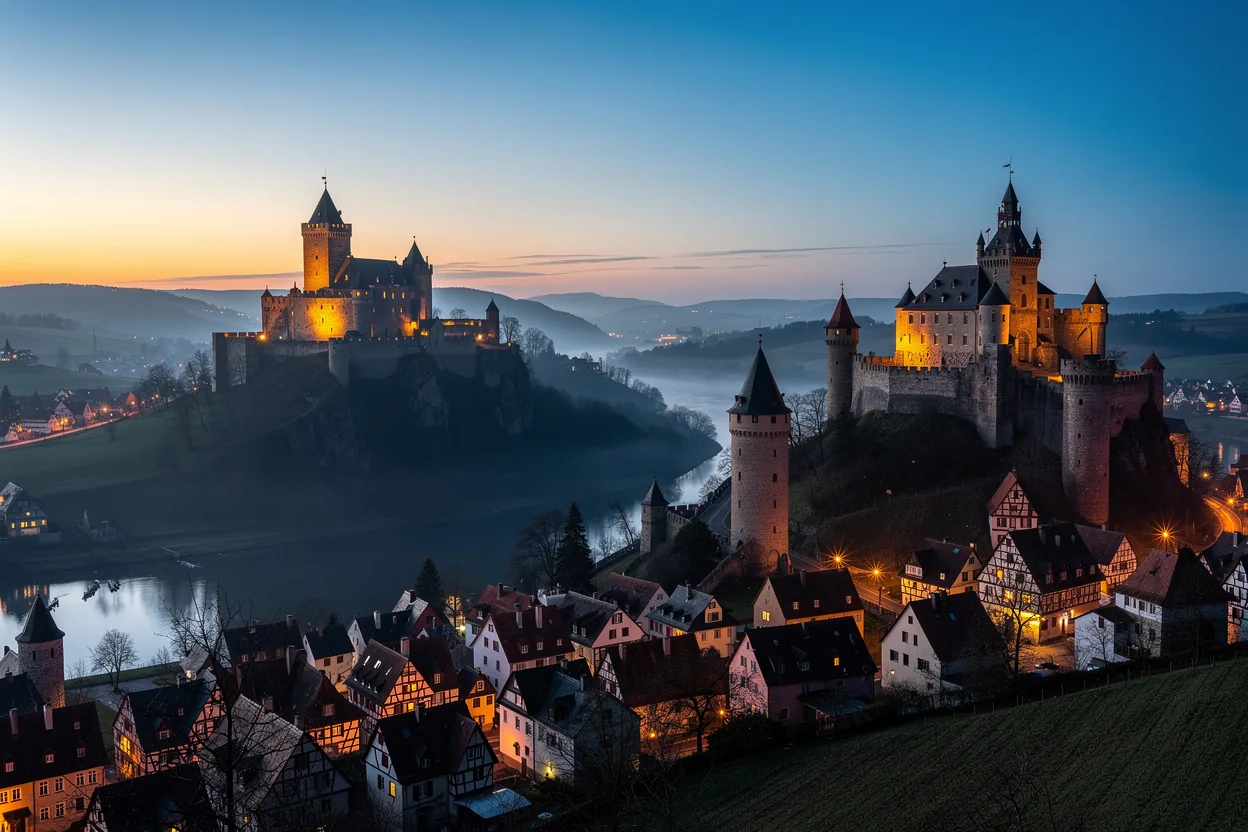
France brings the grand finale. Versailles, with its endless gardens and mirror-lined halls, remains the definitive statement of French royal ambition — still drawing crowds by the million nearly three and a half centuries after it was built.
In the Loire Valley, Château de Chambord takes a different architectural tack entirely, its Renaissance towers and famous double-helix staircase said to carry Leonardo da Vinci’s fingerprints, even if history can’t quite confirm it.
Building Your Own Castle Route
Stringing these sites together into one trip takes a bit of planning, and we’ve picked up a few habits worth passing on:
- Check opening hours first. Several of these castles run limited or seasonal schedules.
- Add a guided tour where you can. A good guide turns stone and gilding into genuinely interesting stories.
- Give yourself time around each stop. The towns and countryside surrounding most of these castles are worth a wander in their own right.
- Travel outside peak hours when possible. Mornings and late afternoons mean smaller crowds and better light for photos.
Because we run these as door-to-door private transfers rather than fixed coach tours, you can build a route that hits exactly the castles you care about and skip the ones you don’t — lingering at Versailles’s gardens one day, cutting a stop short at Hohenzollern the next. Austria’s opulence, Germany’s mountain drama, Luxembourg’s overlooked gems, and France’s royal grandeur — strung together on your own itinerary, they add up to a journey through European history that’s hard to match by any other means of travel.