
Planning Your European Adventure
Stringing several European cities into one trip is exciting on its own, but timing it to the calendar makes a real difference. We’ve watched enough travelers pack for the wrong season to know it’s worth thinking through before you go. Each part of the year brings its own light, its own crowds, and its own version of a city — knowing what to expect helps you pack smart and actually enjoy the days you’ve planned.
Spring tends to be our favorite window for road travel — mild air, blooming parks, and a noticeable dip in tourist crowds. Summer trades some of that calm for long daylight hours that let you fit in more stops per day. Autumn paints the countryside in gold, and winter, despite the cold, delivers Christmas markets and snow-dusted rooftops that are worth the extra layers.
Choosing the Right Cities
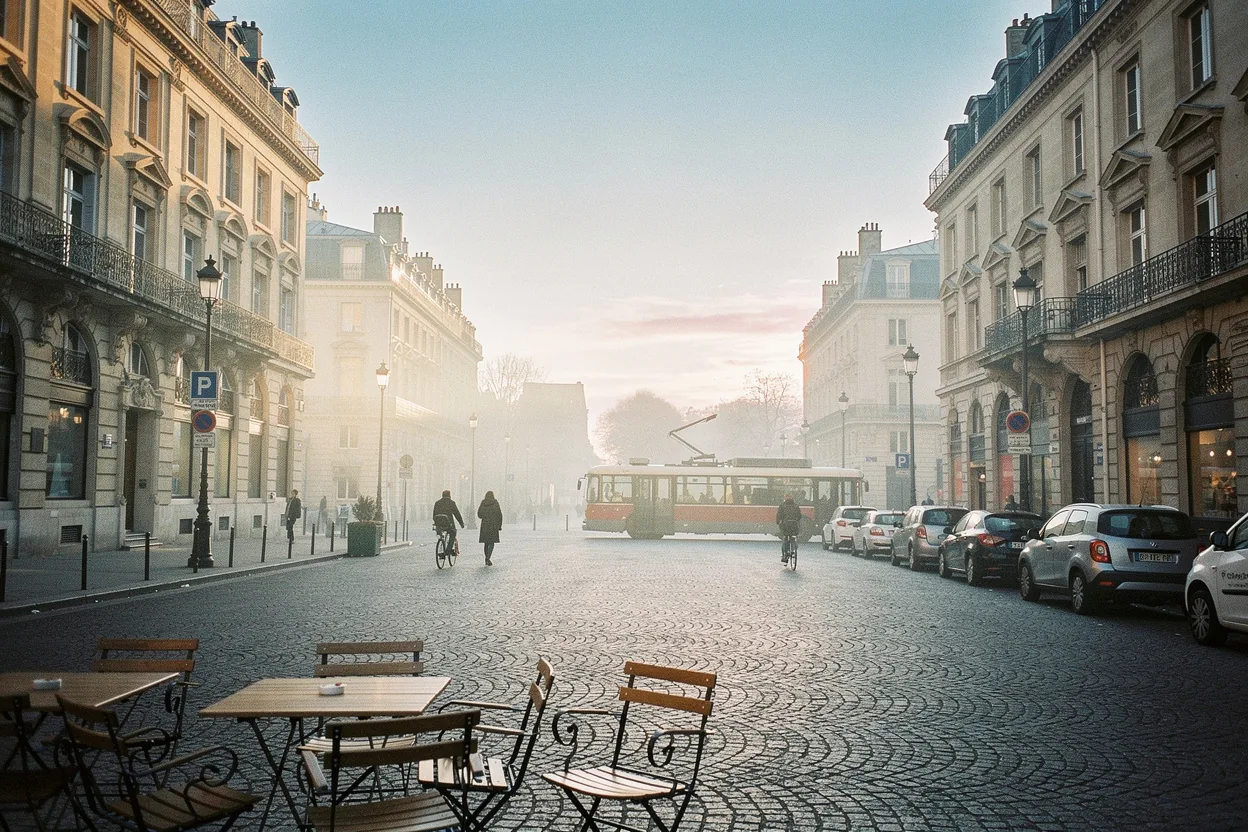
The route you choose should follow the calendar, not fight it. Paris in spring means quieter museums and gardens in full bloom, which is exactly when we like routing travelers there. Come summer, we shift attention toward the coast — the beaches around Barcelona or the Greek islands are made for warm afternoons.
By autumn, Central Europe takes over as the better call — Prague and Vienna wrapped in fall color are hard to beat. And when winter arrives, Munich and Salzburg turn into something out of a storybook, complete with markets, mulled wine, and snow sports nearby.
Creating a Flexible Itinerary
One thing we always stress: leave your plan loose enough to bend. Weather across Europe can shift from one region to the next even within the same week, and a schedule packed too tightly leaves no room to adjust. This is actually where a private, door-to-door transfer pays off — when you’re not tied to a fixed train or coach timetable, our drivers can shift the day’s route around a forecast, or simply let you linger somewhere you didn’t expect to love. Give yourself slack for a delayed connection or a city that turns out to deserve an extra night.

Packing Tips for All Seasons
Getting your bag right for a multi-city trip means preparing for more than one climate at once. Here’s what we tell our own travelers before they head out:
- Layer everything: Clothes you can add or shed easily handle both cold mornings and warm afternoons.
- Choose shoes that work anywhere: You’ll want something comfortable enough for cobblestones and presentable enough for dinner out.
- Carry the basics: Plug adapters, a refillable water bottle, and a map or app you actually trust.
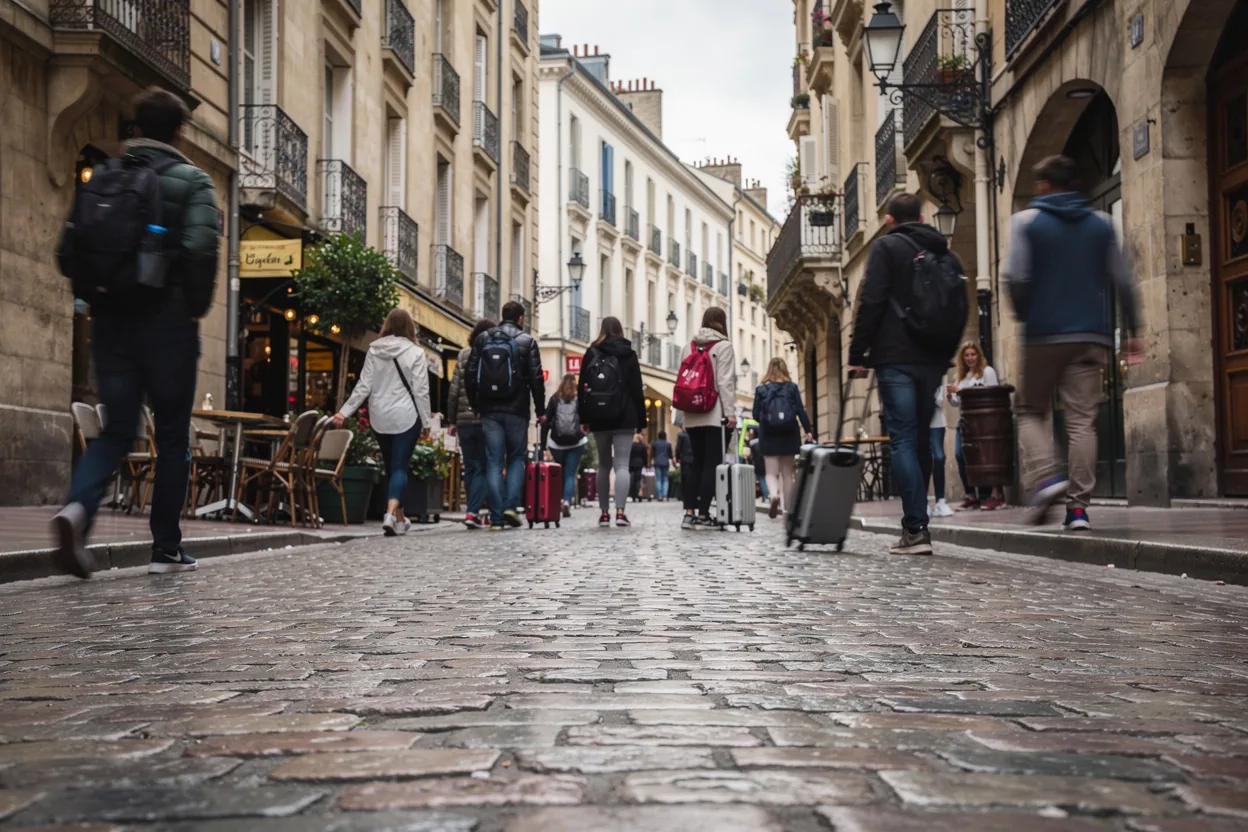
Traveling light matters more than people expect — plenty of European old towns are built on cobblestones that punish an overstuffed suitcase, and a lighter bag makes every transfer between cities that much easier, whether you’re hopping a train or stepping into one of our minivans for the next leg.
Local Cuisine and Cultural Experiences
Half the joy of a multi-city trip is what ends up on your plate. Every stop has its own specialty worth seeking out — pasta in Italy, tapas in Spain, a proper fondue in Switzerland. We often point our travelers toward small, family-run spots rather than the places lined with tour buses.
Don’t skip the local calendar either — a seasonal festival or town celebration, even a small one, tells you more about a place than any museum will. It’s the kind of detour that a fixed group tour rarely allows for, but a private, flexible itinerary makes easy.
Staying Connected and Safe
Moving between cities means staying reachable matters more than usual. A local SIM or an international data plan keeps maps, messages, and updates within reach the whole way.
Keep digital and paper copies of your passport and insurance details, know the emergency numbers for wherever you are, and check for any travel advisories before you set off. It’s basic groundwork, but it removes a lot of the background worry from the trip.

Making the Most of Your Adventure
A multi-city European trip rewards travelers who stay open to the unplanned moment. Between the landmarks and the meals and the people you meet along the way, the smaller surprises often end up being what you remember most.
The real secret is balance — enough structure to see what you came for, enough flexibility to wander off it. That balance is exactly what we try to build into every Eurotrip we plan, letting the itinerary bend to you rather than the other way around.