
Europe’s Wine Roads, End to End
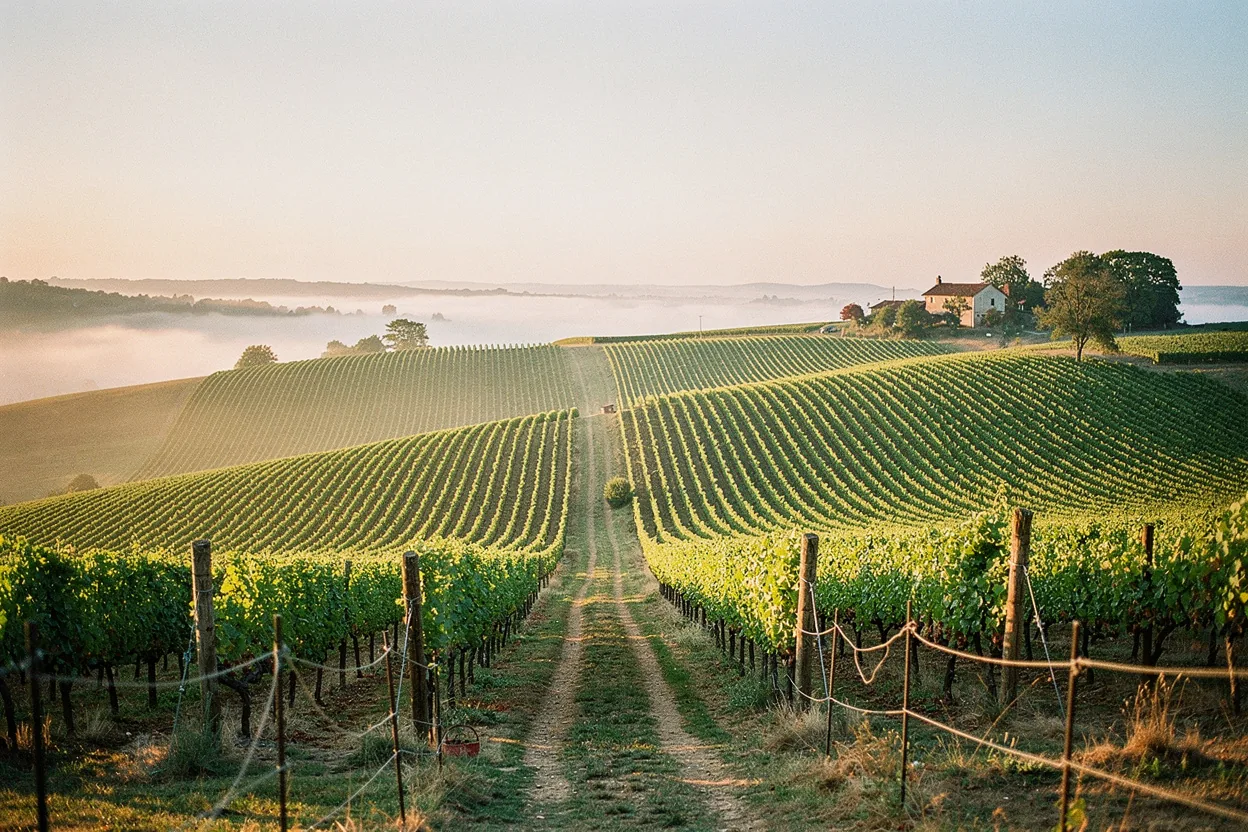
Driving from the Rhine to Reims puts you on one of Europe’s great routes for anyone who cares about what’s in the glass. Along the way, the scenery is just as much of a draw as the wine itself — vineyard-striped hills, medieval towns, and some of the continent’s most storied wine cellars strung together on a single road. It’s a trip that rewards a slower pace, which is exactly why we build it as a multi-day Eurotrip rather than a single long push behind the wheel.
Germany’s Rhine Valley
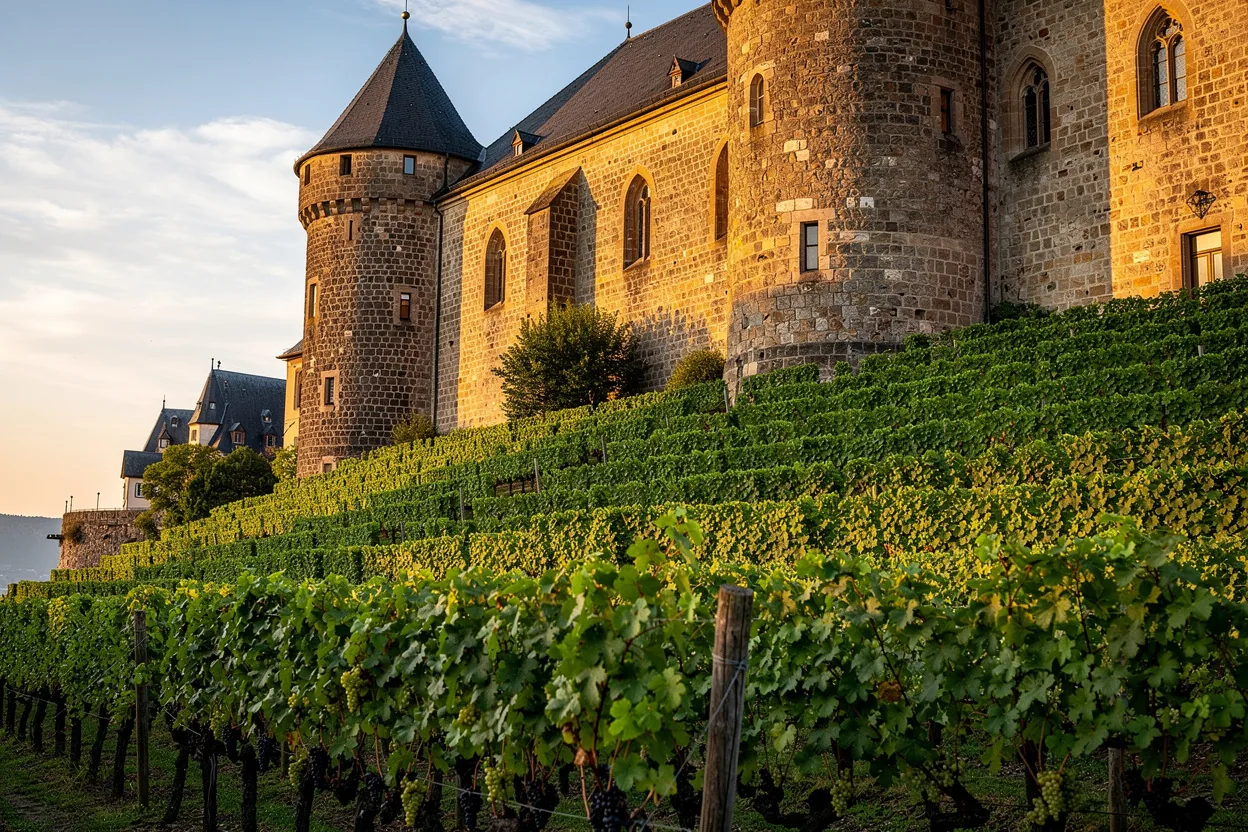
The Rhine Valley anchors Germany’s wine reputation, with the Rheingau and Mosel regions both known for Rieslings that rank among the world’s best. Terraced vineyards climb the hillsides above the river, framing villages like Rüdesheim and Bacharach that are made for an unhurried stop and a tasting or two.
Beyond the wine itself, the historic cellars here are worth exploring on their own merits, and the castles and ruins scattered along the valley add a layer of history to every stop. Because our drivers know this stretch of road well, finding the right cellar to visit is never left to guesswork.
Alsace, Where Two Cultures Meet
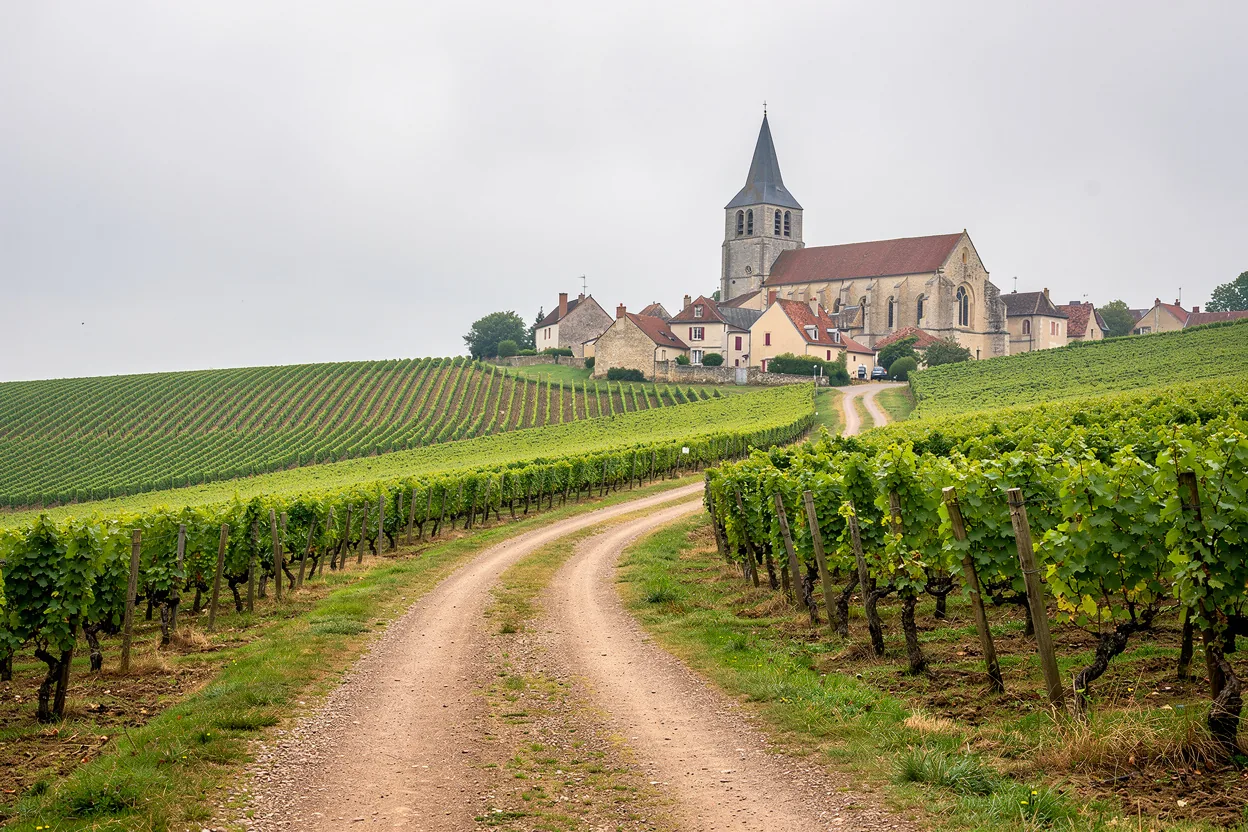
Cross into France and the wine changes character along with the architecture. Alsace is known for aromatic whites — Gewürztraminer and Pinot Gris chief among them — and the Alsace Wine Route winds through villages with half-timbered houses and window boxes overflowing with flowers. Colmar and Strasbourg both carry a blend of French and German influence, visible in everything from the buildings to the menus.
The region’s terroir and microclimate give its wines a character all their own, and a relaxed tasting session at a local winery is worth the time it takes. Pair what you’re drinking with Alsatian classics like tarte flambée or choucroute garnie, and the whole picture comes together.
Champagne, the Grand Finale
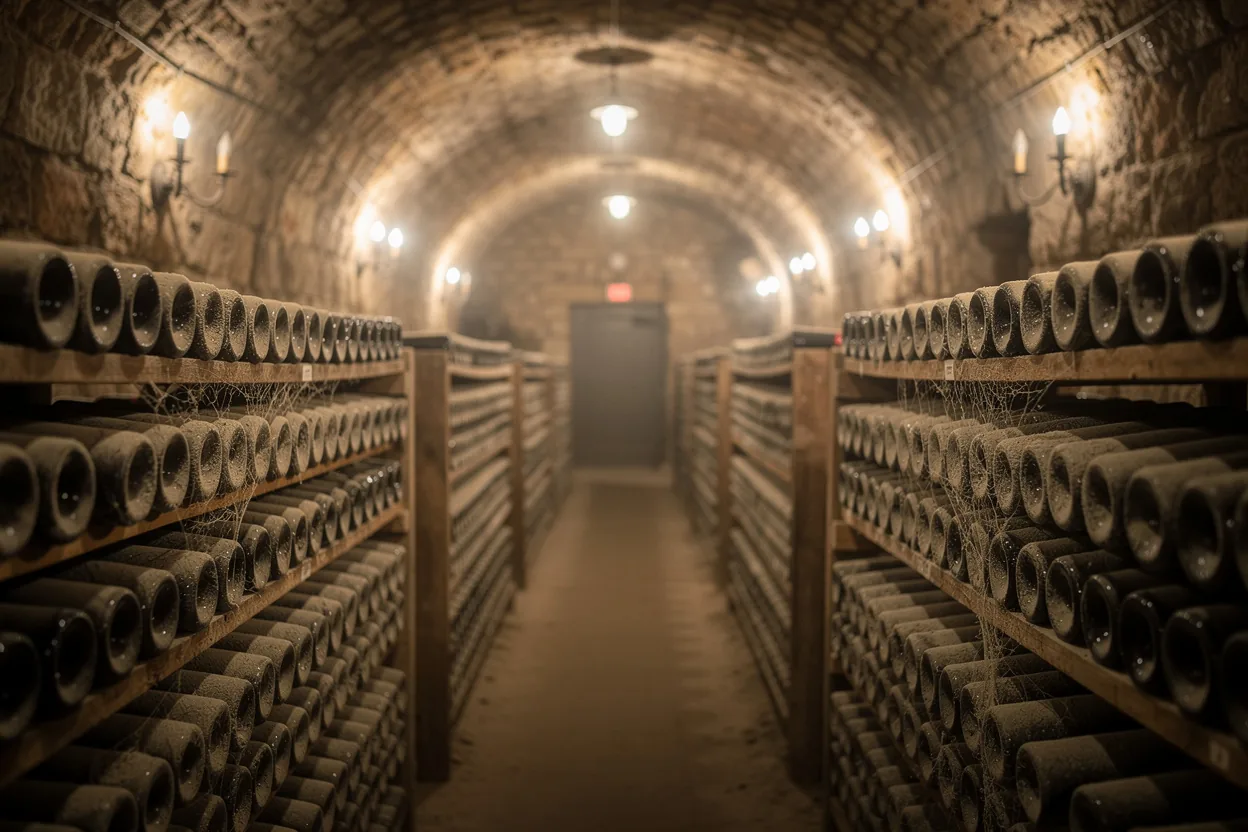
The road ends in Champagne, arguably France’s most famous wine region and certainly its most celebrated export. Reims sits at the center of it all, home to Champagne houses like Moët & Chandon, Veuve Clicquot, and Taittinger — a cellar tour here shows just how much craft goes into every bottle before it reaches a glass.
Reims itself deserves time beyond the cellars. Its cathedral, where generations of French kings were crowned, is a genuine architectural highlight, and few things cap off a trip like this better than a glass of Champagne enjoyed within sight of that history.
Tips for the Drive
A handful of things make this wine route easier to enjoy fully:
- Map your stops in advance. Knowing which wine regions matter most to you keeps the route efficient.
- Don’t rush the tastings. With this many wineries on offer, pacing yourself matters more than covering ground.
- Talk to the people pouring. Winemakers and locals often share the most interesting details about a region’s wine culture.
This is a route where a private driver genuinely changes the experience — no one has to sit out the tastings to stay behind the wheel, and a comfortable Mercedes minivan means the drive between cellars is as relaxed as the stops themselves. From the Rhine’s terraced hillsides to Reims’s grand cellars, this journey connects some of Europe’s finest winemaking traditions into one unforgettable trip.